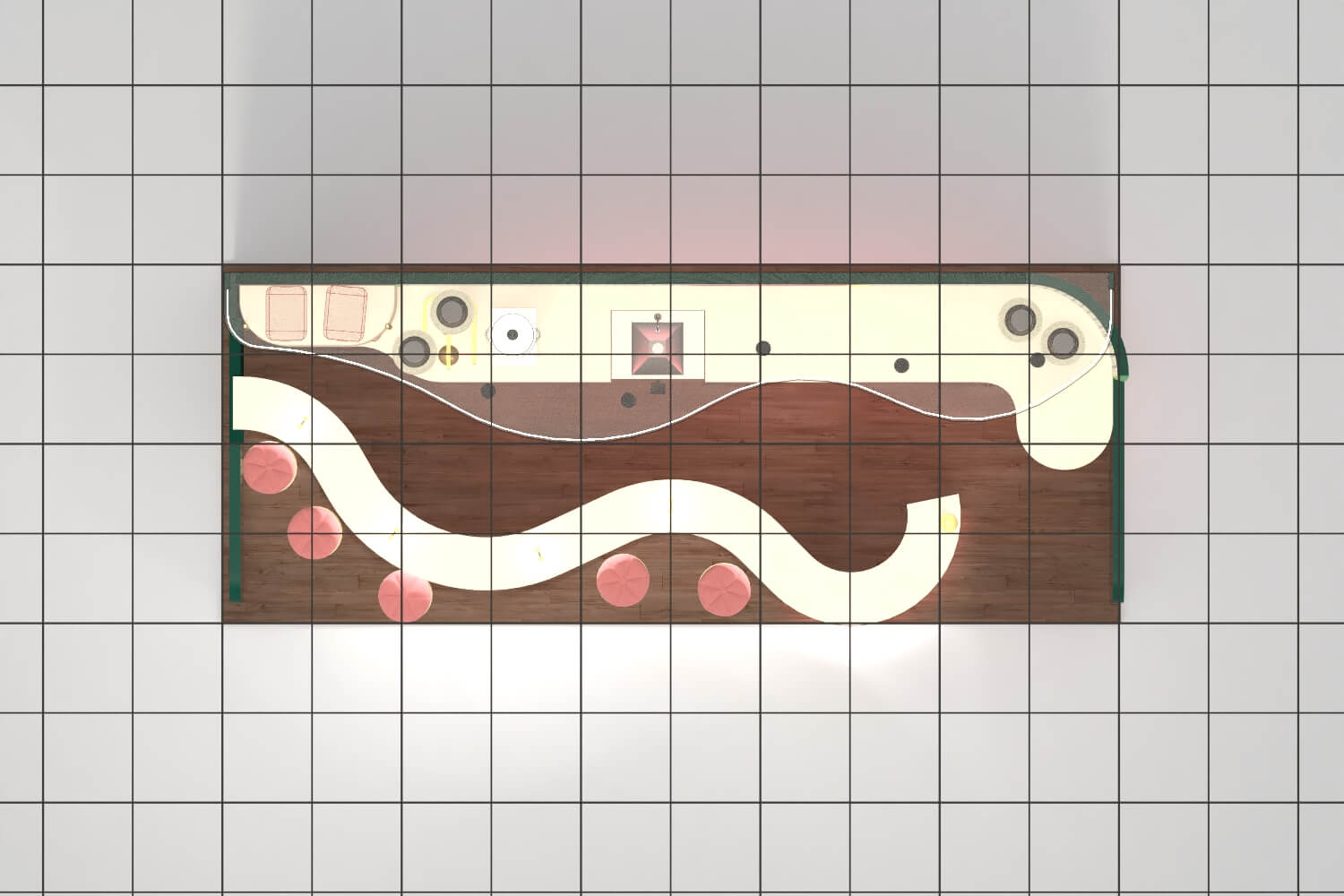
Your Guide To Exhibit Booth Layouts & Design Sizes
Whether you’re a first-time or repeat tradeshow exhibitor, selecting the right exhibit footprint for your show and event presence is one of the most important decisions you can make. Condit’s team is well-versed in helping brands across dozens of industries understand the nuances of exhibit sizing and layouts. Here’s your quick guide to the process of booth sizing and finding what layout works best for your brand’s event.
Why Exhibit Sizing Matters
1) Sizing Impacts Your Tradeshow Experience
Your exhibit square footage affects everything from visibility and traffic flow to branding opportunities and staffing. An exhibit that is too small can feel cramped and may hide the most important elements of your marketing message. A space that is too large might feel empty and underutilized inside a large conference hall if it is not planned thoughtfully. The right size aligns budget, activation plans, creative vision, and ROI.
2) The Right Exhibit Size Determines Brand Potential
Tradeshow booth sizes shape how you tell your brand story, what services and products you can offer, and how attendees flow through your space. Whether you start with a more compact 10×10 tradeshow booth or invest in a fully immersive 20×20 tradeshow exhibit, the size you choose should support your brand outreach goals, not limit them.
Common Tradeshow Booth Sizes
Here are the formats most exhibitors encounter on the show floor and some of their common use cases:
10×10 Tradeshow Booths
The smallest (and sometimes simplest) option for bringing a brand message to the trade show.
10×20 Exhibit Booth Displays
An extended size to give a bit more room to communicate and meet attendees one-on-one.
20×20 Tradeshow Exhibits
A larger size (and sometimes the most versatile) allowing for additional marking components and services such as product displays, meeting areas, and demonstrations.
Larger Island Options
Extended sizes (e.g. 20×30 and 30×3) that sometimes need to match a unique area within a conference/event space.
Modular Exhibit Booth Footprints
Individual exhibits that can be assembled to scale up or down in size/layout depending on individual show needs. These offer a great way to accommodate brand messaging based on individual event logistics or to test different styles of message presentation.
Show-Specific Variations
Most shows also offer variations such as corner, inline, peninsula, and island configurations. Each format and location influences visibility and traffic patterns.
What Fits in Each Booth Size
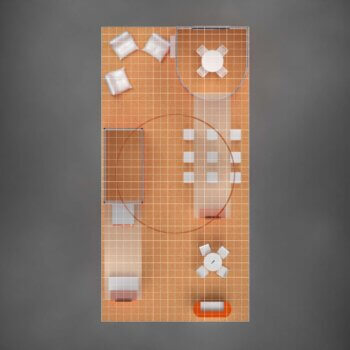
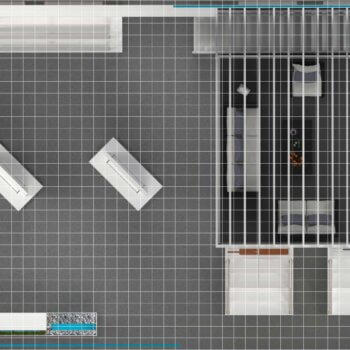
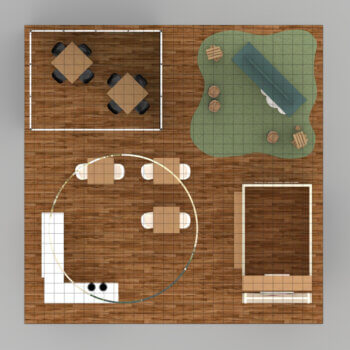
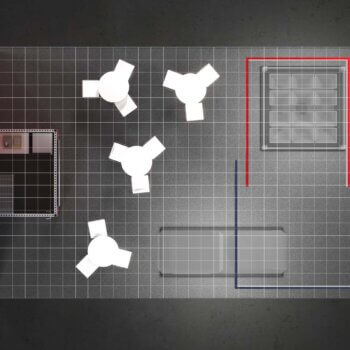
While there are virtually unlimited ways to fill any size of exhibit, here are several layout ideas to help strategize the proper choice for your brand:
10×10 Tradeshow Booth – Typical Inclusions
- One small reception counter
- A graphic backdrop or portable tradeshow display
- Light product display or demo
- One to two team members
- Simple storage solution
10×20 Tradeshow Booth – Typical Inclusions
- Product shelving or demo area
- Seating for short conversations
- Expanded branding on two wall surfaces
- Storage integrated into cabinetry
- Multiple interactive touchpoints
20×20 Tradeshow Exhibit – Typical Inclusions
- Hospitality or lounge seating
- Hanging sign for visibility
- Product showcase zones
- Semi private meeting space
- Large media or immersive technology
Larger Tradeshow Displays – Typical Inclusions
- Multiple concurrent demos
- Full hospitality bar or enclosed conference room
- Multi story structures
- Full product lines
- Integrated storage and utilities
Pros and Cons of Small vs. Large Booths
On the surface, a larger exhibit booth may naturally seem like the better choice for just about any brand. However, that’s not always the case. The right size is the one that best fits your tradeshow goals. Below are the some of the common pros and cons of both large and small exhibit booths to consider:
Smaller Exhibits
Pros
- Lower cost and labor
- Easy to transport and set quickly
- Portable tradeshow display options with toolless self-assembly
Cons
- Limited product and staff capacity
- Less room for experiential storytelling
Larger Exhibits
Pros
- Command attention and draw traffic
- Add hospitality and private meeting areas
- Create immersive custom tradeshow exhibits
Cons
- Higher investment
- Requires more staff and planning
Design Strategies for Maximizing Tradeshow Space
Smart thinking stretches every square foot! Here are the common strategies we always recommend considering in the exhibit design process regardless of what size you end up choosing:
- Use vertical height with shelving or branded towers when possible
- Incorporate multi-use fixtures such as counters with built in storage
- Replace paper handouts with digital capture
- Make traffic flow intuitive with clear pathways
- Pick furniture that is the right scale for your footprint
Common Layout Design Mistakes To Avoid
Picking an exhibit size and footprint layout that’s “good enough” rather than matching goals specifically can undersell your brand and lead to logistical issues. Here are a few common layout design mistakes to avoid:
- Overcrowding graphics, product, or people
- Forgetting storage space
- Choosing furniture that limits circulation
- Ignoring sightlines from the aisle (and other show regulations)
- Committing to a layout that cannot evolve over time
Future Proofing Your Exhibit
Stale marketing can be detrimental to brands over time. As your industry/competitors change, so should you. By investing in a flexible exhibit, you’re increasing the potential for ROI and future-proofing the time and energy spent creating a great exhibit project. Smaller changes such as wall panel swaps, counter reconfigurations, and expansions via rental exhibit elements can all create tremendous impact over time. Many organizations start small, then grow their footprint as their program matures.
Adjusting Exhibit Size Over Time
Your footprint (sizing) should also evolve with your own brand growth, whether that be larger or smaller depending on the show needs. An exhibit’s physical size can be a subtle (but impactful) way of presenting this brand evolution across multiple exhibitions. Common tactics include:
- Adding to your modular kit as needs increase
- Scaling down (or condensing message) for regional shows
- Renting supplemental elements when testing new footprints
- Trying hybrid solutions that combine owned assets with rentals
Real World Exhibit Size & Layout Examples
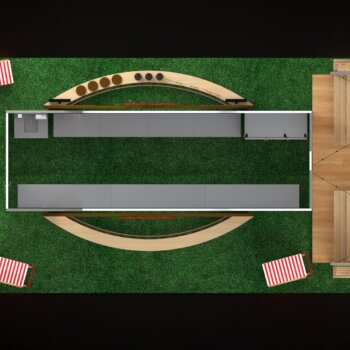
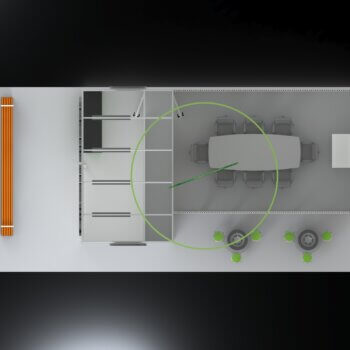
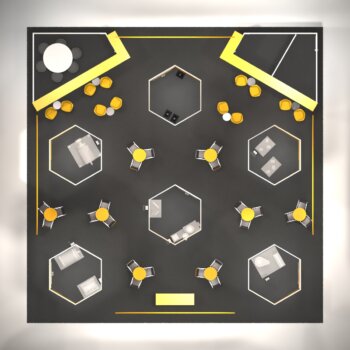
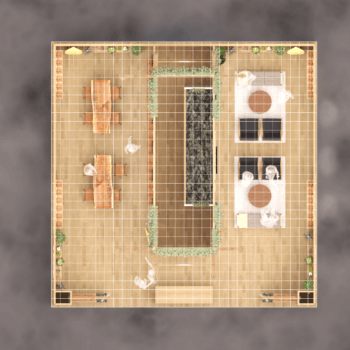
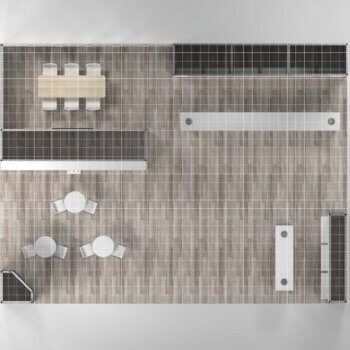
Brands from every industry have created impressive experiences in every size. Teams use modular exhibit booth components to reconfigure layouts show to show, allowing a 10×20 kit to become a 10×10 or expand to a 20×20 tradeshow exhibit. Even a small 10×10 can feel large when supported by a strong message and confident visuals. Take a look at our portfolio and case study collection to learn more!
-
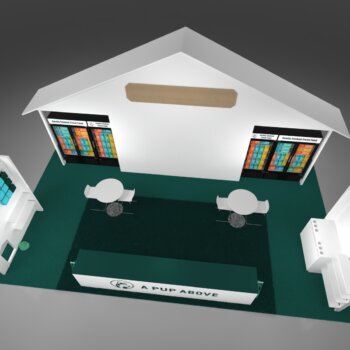
- Hospitality and product display
-

- Meeting area and storage

Ready to plan the perfect exhibit layout and size?
With the right exhibit house by your side, choosing a space becomes part of a long-term strategy. Condit helps teams evaluate goals, recommend tradeshow booth layout and sizing options, and visualize what truly fits in each configuration. From portable tradeshow displays to custom tradeshow exhibits and fully immersive island environments, we guide the process so every square foot works hard for your brand.
Start a conversation with our team and explore sample floor plans and working layouts tailored to your next event.